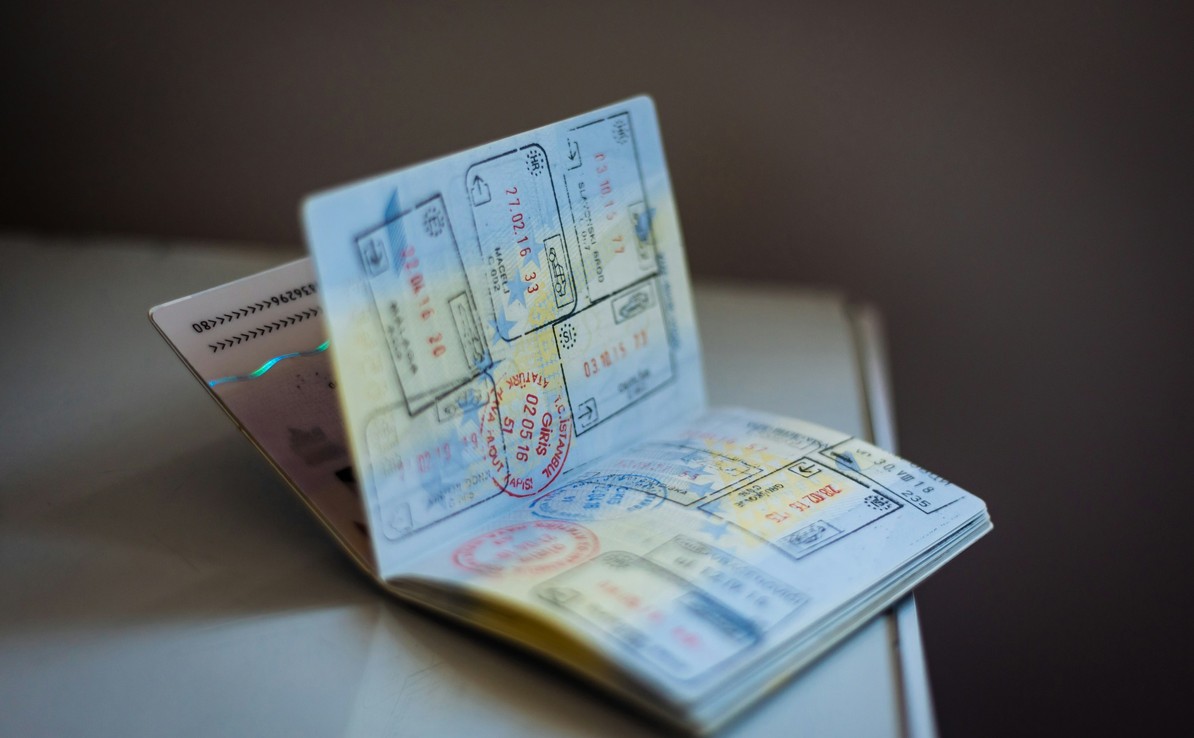

What Happens to Your Vietnam Visa After Divorce?
If you are married to a Vietnamese citizen, you are probably living here on a TT visa or a TT temporary residence card, and both exist because of the marriage. When the marriage ends, your card does not lose effect immediately, but you can no longer renew it as a spouse, so you will need another legal basis to stay.
That does not usually mean you have to leave, because most foreign spouses have another option, particularly if they have children in Vietnam, provided they arrange it before their current card expires.
How a Spouse Visa and Residence Card Work in Vietnam
The TT category is for foreigners who are the parent, spouse or child of a Vietnamese citizen. A TT visa lasts up to 12 months and a TT residence card up to three years, and both need a Vietnamese family member to sponsor you, which for a married couple is usually your husband or wife, who must also sign each renewal. Our guide to the spouse visa explains how the application works.
Does Your Visa End When You File for Divorce?
No, because you are still married until the divorce takes effect, so your card stays valid while the case is going through the court. An agreed divorce takes effect when the court issues its decision, and a contested one when the judgment becomes final after the appeal period. Our guide on how long a divorce takes sets out typical timelines.
The difficulty arises if your card expires before the case is concluded, because a spouse in a difficult divorce may refuse to sign the renewal. If your card expires within the next year, it is advisable to review your other options as soon as separation becomes likely, rather than waiting for the renewal date.
What Happens to Your Residence Card After the Divorce?
The law does not set out exactly what happens to the card on the day of the divorce, but in practice, once you are divorced, the card no longer has a legal basis, so you cannot renew it and should not rely on it as your long-term status. The safest course is to return it and transfer to a new visa or card, especially as your former spouse can tell the immigration office that they no longer sponsor you.
The same applies to a five-year visa exemption certificate you received as a spouse. These certificates cover spouses and children of Vietnamese citizens but not their parents, so having a Vietnamese child does not let you keep one after a divorce.
If your divorce was granted outside Vietnam, it may also need to be recognised here before your status can be updated, as explained in our guide to recognition of a foreign divorce.
How to Stay in Vietnam After Divorce
Vietnam generally does not let you switch a visa from one purpose to another while you are here, but Article 7 of the Law on Entry, Exit, Transit and Residence of Foreigners makes exceptions for family members, employees and investors, and those exceptions form the main options after a divorce.
Through your Vietnamese child. If your child has Vietnamese citizenship, you can usually get a new TT visa and card as their parent instead of as a spouse. You will need the child’s birth certificate and proof of their nationality. A young child cannot sponsor you on their own, so immigration offices usually expect an adult to apply on the child’s behalf, and it is worth confirming early who will do so in your family. Our guide to sponsoring parents or children covers family sponsorship in more detail, and where custody is still being decided, our guide on whether a foreign parent can get custody explains how courts decide.
Through work. If you have a job here, your employer can sponsor you for a work visa and LĐ card once you have a work permit or confirmation that you are exempt. The card lasts up to two years and depends on you keeping the job.
Through investment. If you have invested in a Vietnamese company, or represent a foreign investor, you can apply for an investor visa and card, with its length depending on the size of the investment.
For shorter stays. If none of these routes applies, you can still visit on an e-visa of up to 90 days, or visa-free if your country is on Vietnam’s exemption list. These suit a parent who lives abroad and visits a child, but not someone who intends to live in Vietnam.
Does Divorce Affect Permanent Residence?
You can apply for permanent residence after three years of continuous temporary residence if a parent, spouse or child who is a Vietnamese citizen living in Vietnam sponsors you. Divorce removes your spouse as a possible sponsor, so if you were planning to apply through your marriage, you will need to apply through your child instead or stay on another visa.
If you already hold a permanent residence card, you are in a much stronger position, because it does not depend on a sponsor at each renewal.
Can You Leave Vietnam During the Divorce?
Generally yes, but there are two risks to be aware of, and the first is that Vietnam can stop a foreigner from leaving while they have obligations in a civil or family case, including a divorce, or have unpaid court orders, fines or taxes. If you are in a dispute over property or child support, your spouse can ask the court to prevent you from leaving until it is resolved, provided they can show that you plan to leave and that your departure would affect the case.
The second is that if you leave when your card is about to expire or after the divorce has taken effect, you may not be able to re-enter on the same card, and getting a new visa from abroad can take time when your children, home or court case are in Vietnam.
What Happens if You Overstay Your Visa in Vietnam
Remaining after your visa or card has expired is an administrative violation, and since 15 December 2025, Decree 282/2025/NĐ-CP has significantly increased the fines. They range from 500,000 to 2 million VND for an overstay of under 16 days up to 30 to 40 million VND for an overstay of a year or more, and serious cases can lead to deportation. An overstay can also weigh against you in later visa applications.
How This Works in Practice
Consider a British woman who has lived in Da Nang for six years on a TT card sponsored by her Vietnamese husband. They have two children, both Vietnamese citizens, and she works part time as an English teacher. The marriage breaks down, her husband files for divorce, and her card expires in five months.
Her husband will not sign a renewal, so she does not wait for the expiry date. With her school’s support she obtains a work permit and moves to an LĐ card, which keeps her status secure while the divorce goes through. Once the divorce is final, she also has a longer-term option, a TT card as the parent of two Vietnamese citizens, which does not depend on keeping her job. Because she acted early, she never has a gap in her status and never needs to leave the country during the case.
Planning Your Next Step
A divorce brings enough uncertainty without worrying about whether you can stay in the country where your children, home and work are, and for most foreign spouses there is a lawful way to remain.
Our divorce lawyers at Family Lawyers Vietnam help foreign spouses with both the divorce and what it means for their visa, so that a new basis for staying is in place before the current one expires. Whether you are just starting to think about separation or are already in the middle of a case, you can reach us at [email protected].