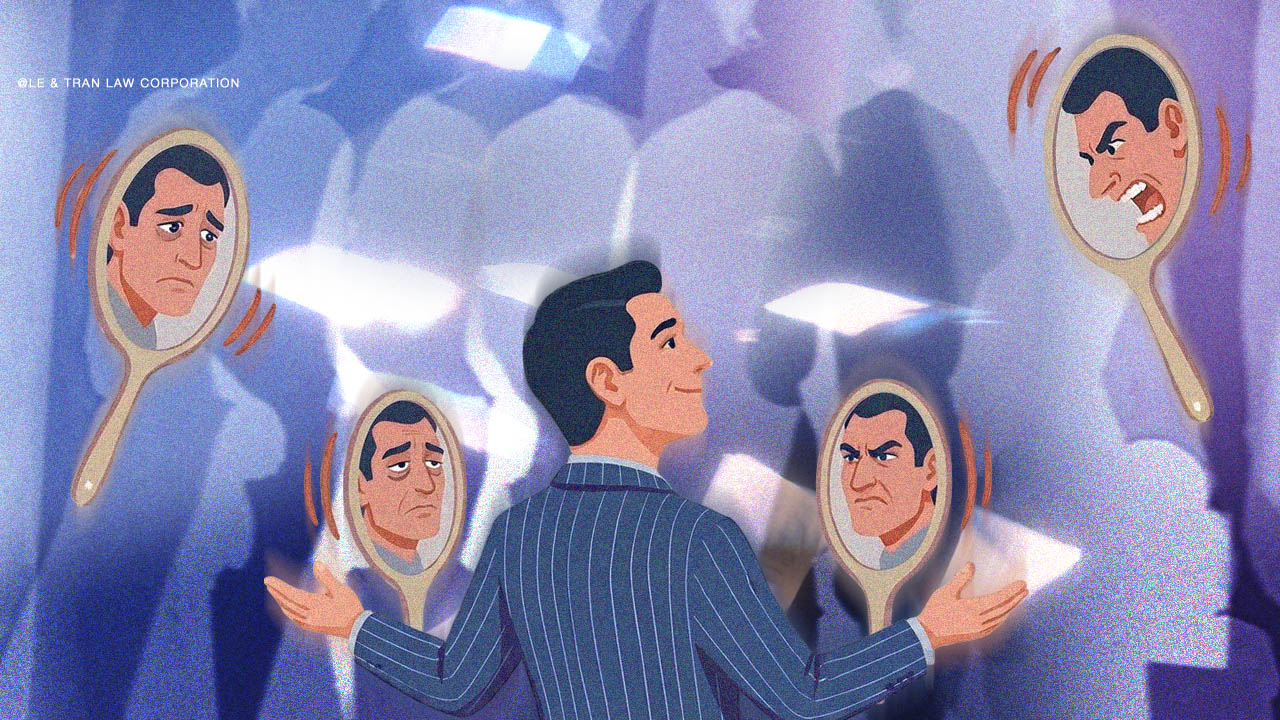




You enter the meeting prepared. You have reviewed the numbers, considered the risks and anticipated the difficult questions. Yet, just before you speak, a familiar thought surfaces: “What if they finally see that I’m not as good as I’ve led them to believe?”
Ah, that all-too-familiar voice of imposter syndrome, the psychological pattern filling us with self-doubt and making us question our own abilities. It’s a sense of dread that sounds like this: “I’m a total fraud, and sooner or later, everyone’s going to find out.”
If you tend to attribute your good work to luck or good timing, set impossible standards and feel inadequate when you fall short of perfection, work extra hard to compensate for what you perceive to be a lack of ability, or treat small mistakes as evidence of complete failure, you might just have imposter syndrome.
Self-doubt has no job title
Sometimes, we think self-doubt will magically disappear with a promotion, a more impressive title or another decade of experience. “If I can just get there, I will be fine.” But imposter syndrome is no respecter of titles and can follow people into boardrooms, courtrooms and leadership positions.
I know high-level executives who also admit to experiencing imposter syndrome. Clearly, success and seniority do not make anyone immune. While we may never completely silence the inner critic, we can certainly learn to turn down its volume.
Strategies to quiet the inner critic
First, counter imposter syndrome by auditing the evidence. Keep a running “wins document” containing positive feedback, goals you have met and projects you have completed successfully. When self-doubt distorts your perspective, return to the facts. Feeling inadequate does not mean you are inadequate, and feelings are not always objective evidence.
Next, recognise that imposter syndrome grows easily in isolation. Find a trusted mentor or colleague and share your feelings of self-doubt. You will be pleasantly surprised to learn that they have experienced the same thing. A good mentor can help us see our strengths more clearly and identify where we genuinely need to improve.
Finally, reframe that anxious voice. Feeling nervous is not necessarily proof that you are a fraud. Sometimes, it is a sign that you care deeply about doing good work and have stepped into a stretch assignment that you will eventually grow into.
Perhaps no one is completely immune to imposter syndrome
Imposter syndrome can surface whenever we enter unfamiliar territory, take on greater responsibility or find ourselves surrounded by people whose abilities we admire. But its presence does not mean that we are incapable or undeserving. At the end of the day, we can take comfort in knowing that the best leaders feel the fear and do it anyway.
The goal is not to eliminate every doubt, but to keep moving despite it. Imposter syndrome may make you question whether you belong in the room, but you can choose not to let it paralyse you.
Sincerely,