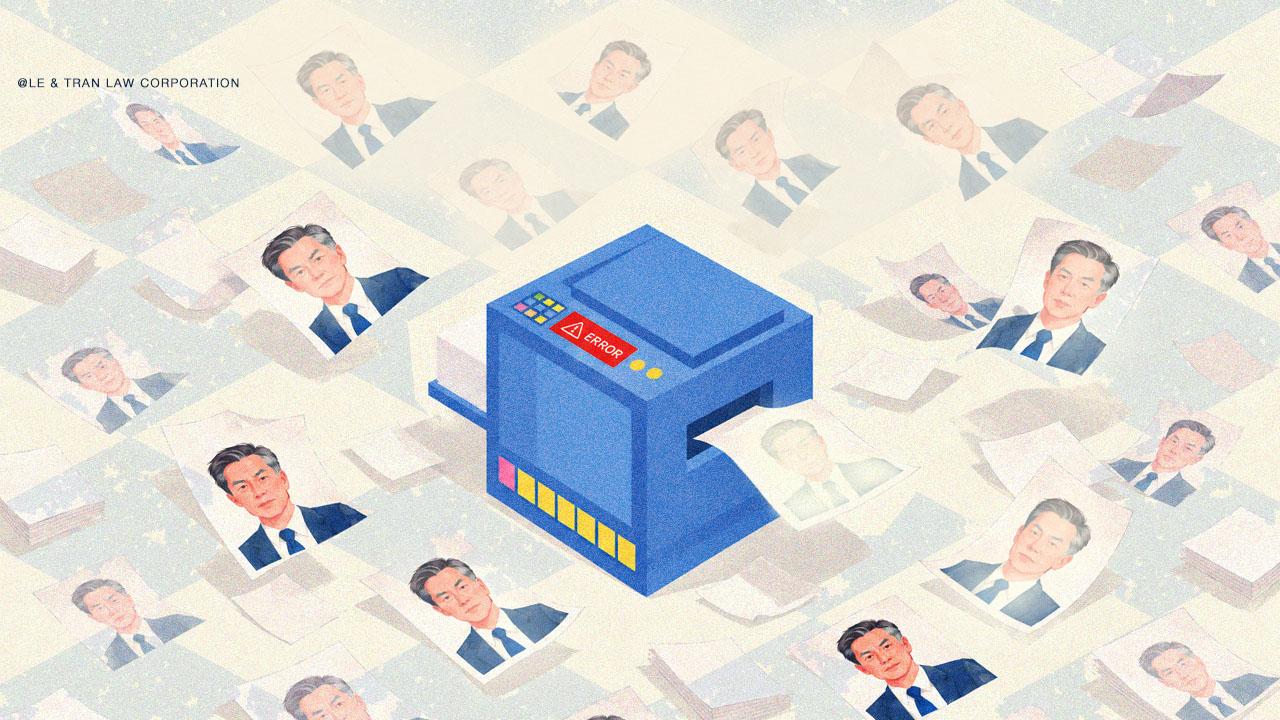

Perhaps one of the greatest compliments a leader can receive is, “We need someone just like you.” But that may also be one of the worst approaches to succession.
After years of building a business, team or practice, it is natural to want the next leader to be like us. We tend to trust people who share our instincts, make decisions the way we would, and value the same things we do.
But succession is not replication. The person who was right for the last chapter may not be the person an organisation needs for the next.
Steve Jobs understood this
When Tim Cook took over as CEO of Apple in 2011, Jobs gave him a piece of advice that Cook would remember for years: “Never ask what I would do, just do the right thing.”
Cook later explained that Jobs had seen what happened at Disney after Walt Disney’s death. For years, executives reportedly approached decisions by asking what Walt would have done and Jobs saw the danger in that.
A founder’s instincts may have built an extraordinary company, but trying to preserve those instincts forever can leave the next generation looking backwards.
The world changes, very quickly in fact. Customers change, technology evolves and the problems facing the next leader are likely the ones their predecessor never had to solve.
So Jobs did not ask Cook to become another Jobs, and Cook definitely wasn’t one. An operations executive with a quieter, more methodical style, he went on to lead Apple for 15 years.
During that period, annual sales grew from about US$108 billion to US$416 billion, while Apple’s market value rose from approximately US$350 billion to US$4.5 trillion.
Preserve the principles, not the personality
Succession should preserve what is fundamental to an organisation: its values, standards, institutional knowledge and the lessons that took years to learn. That does not mean preserving every preference, habit or way of working simply because “this is how we have always done it.”
Apple is facing that question again today. John Ternus, a 25-year Apple veteran who previously led Hardware Engineering, has succeeded Cook as CEO after what Apple described as a long-term succession planning process.
His job is not to become Tim Cook 2.0. It is to understand what should be carried forward and decide what Apple needs next.
Teach principles, not answers
It is easy to teach someone how we would handle a situation, it is much harder to equip them with the judgment to decide for themselves.
That means explaining the thinking behind our decisions, not just the decisions themselves. What values cannot be compromised? Which questions should be asked? How do we weigh two good options, or two bad ones, when there is no obvious answer?
If we only teach people what to do, they will know how to deal with situations we have already encountered. But if we teach them how to think, they are better prepared for situations none of us have seen before.
Give them room to lead
Of course, there is an uncomfortable consequence. One day, they may make a decision we would never have made. They may question a process we created, change a strategy we championed or take the organisation somewhere we had not imagined.
When that happens, our instinct may be to step in and explain why we would have done things differently, but if we have prepared someone to lead, at some point we also have to allow them to lead.
Perhaps that is a better way to think about legacy. Our legacy is not whether our successors are replicas of us, but whether we have developed them well enough so they are capable of making good decisions without us.
So instead of asking, “Will they do what I would do?”, perhaps the better question is:
“Have I prepared them well enough to decide for themselves?”
Teach the principles, share the experience, give them the context, and then give them the freedom to lead.
Sincerely,